Mobile Hyper-casual Puzzle 2026
Draw Rush
A one-finger drawing game where a tiny pencil races desk monsters. A 2022 prototype from 208 Studios, rebuilt and released in 2026.
Screenshots · 12
- Role
- Developer: code, design, UI, store release (2022 prototype with a designer and a 3D artist)
- Timeline
- 2-week prototype (2022), 6-month rebuild (May–Nov 2026)
- Stack
- Unity 6 LTSC#URPCinemachineAI NavigationInput SystemLevelPlay (ironSource)Unity Test Framework
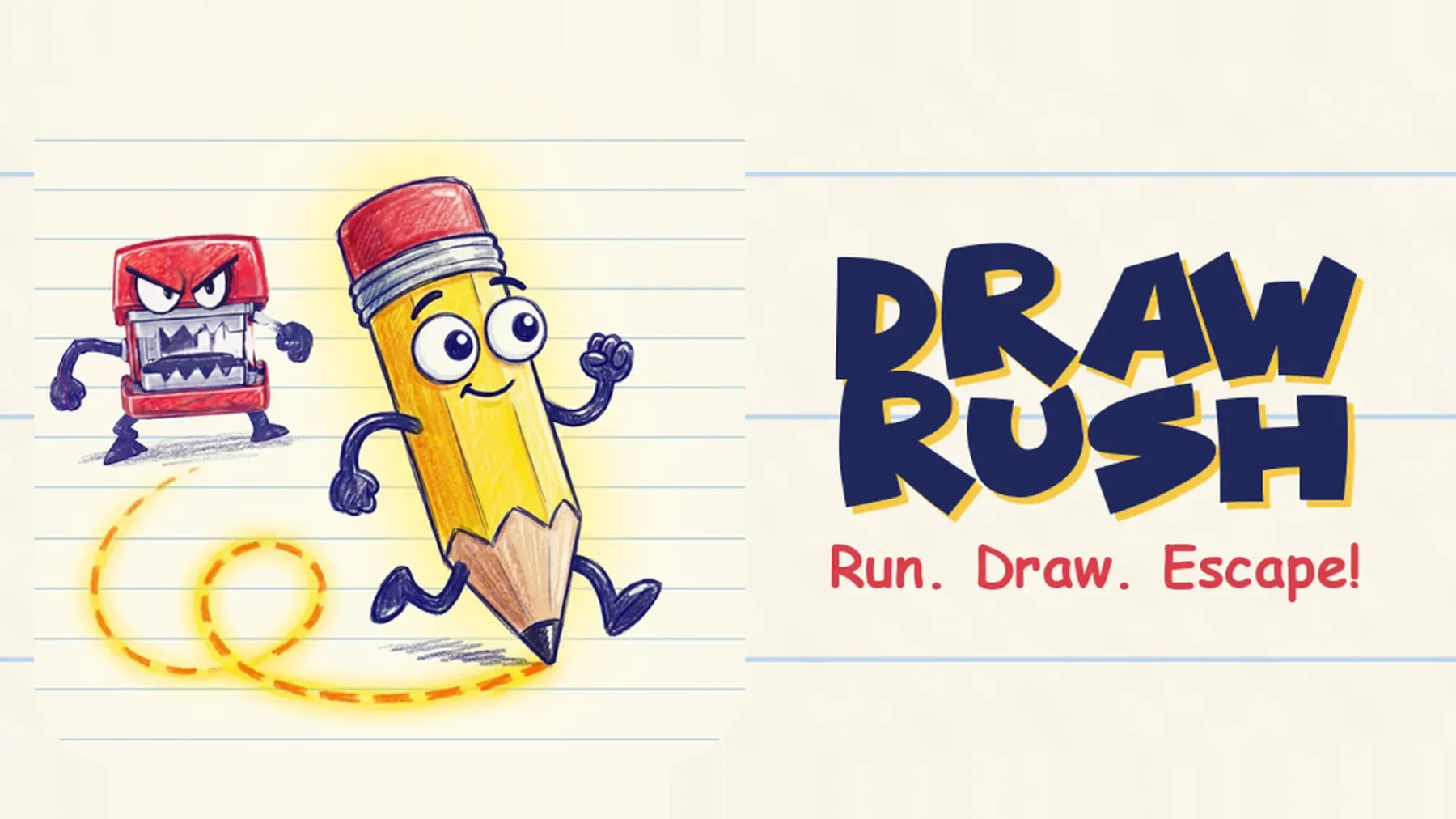
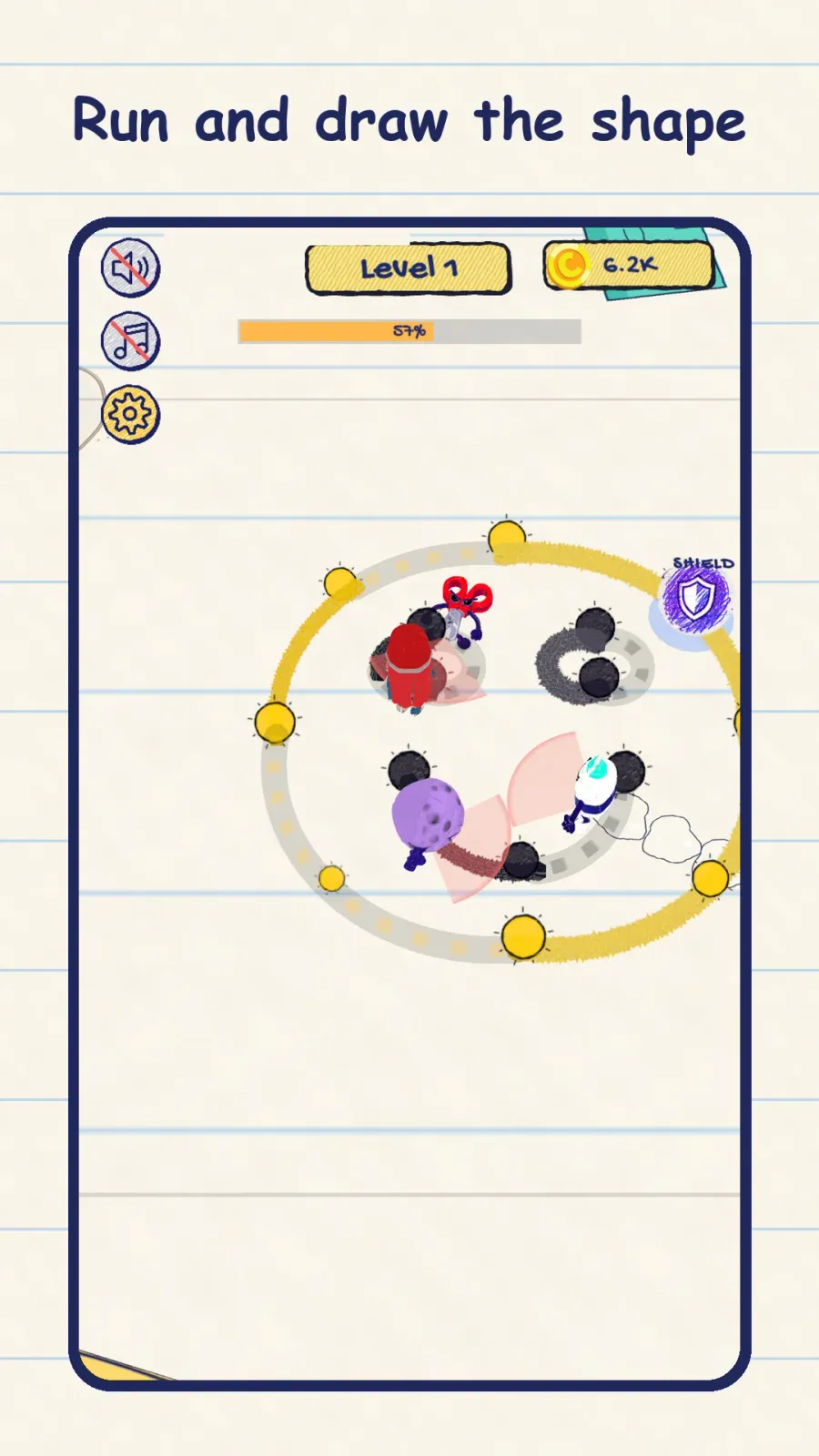
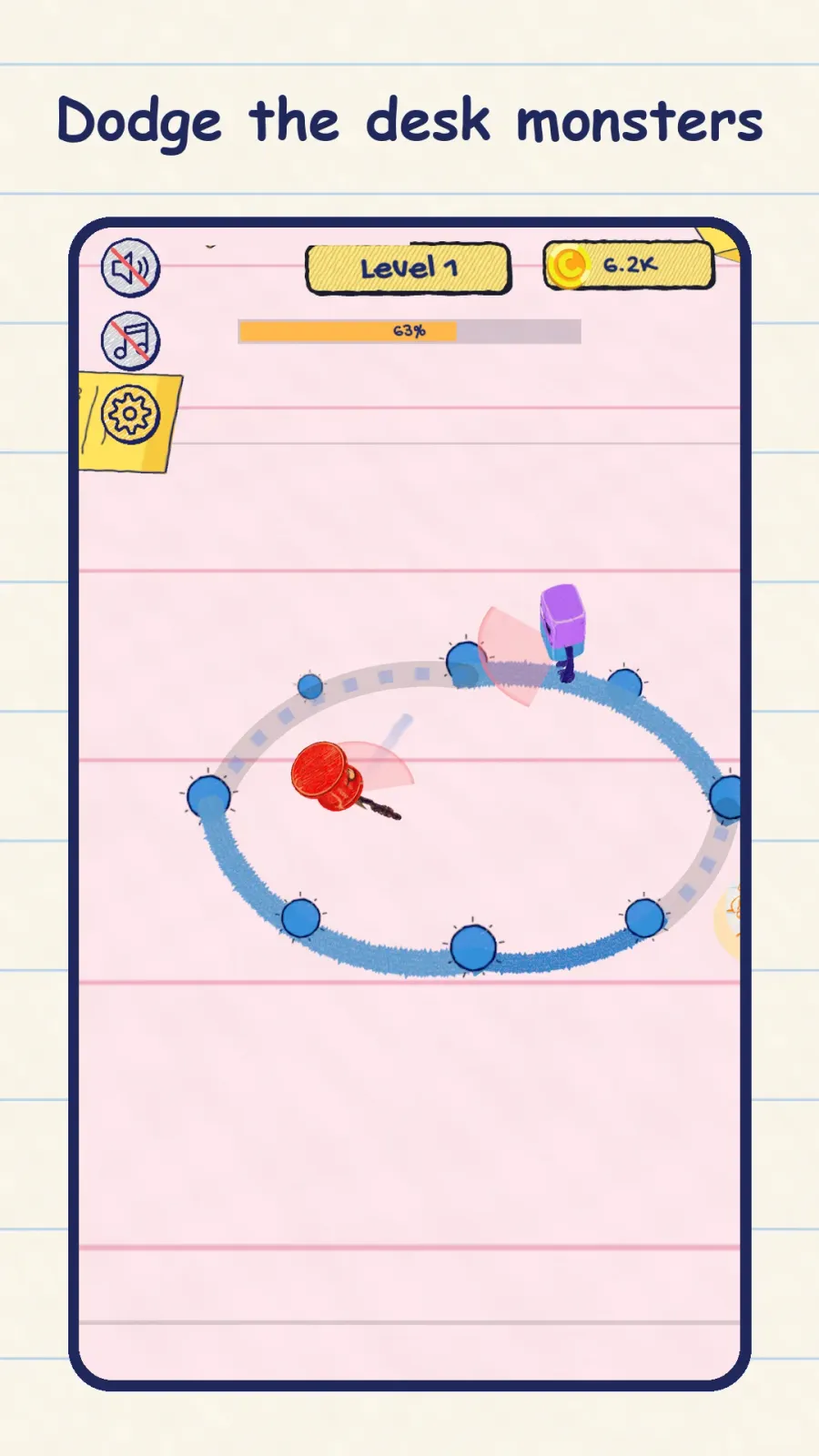
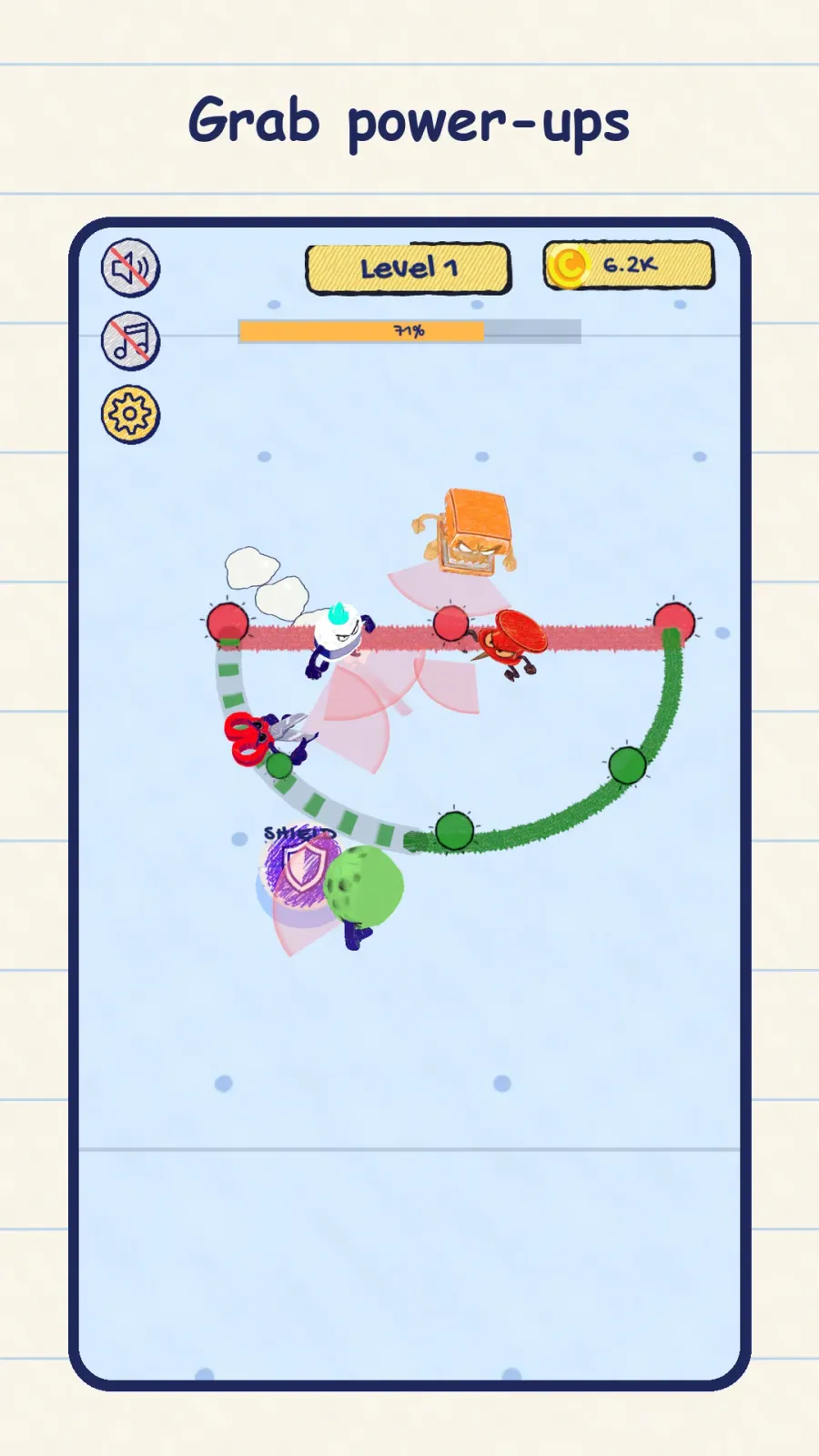
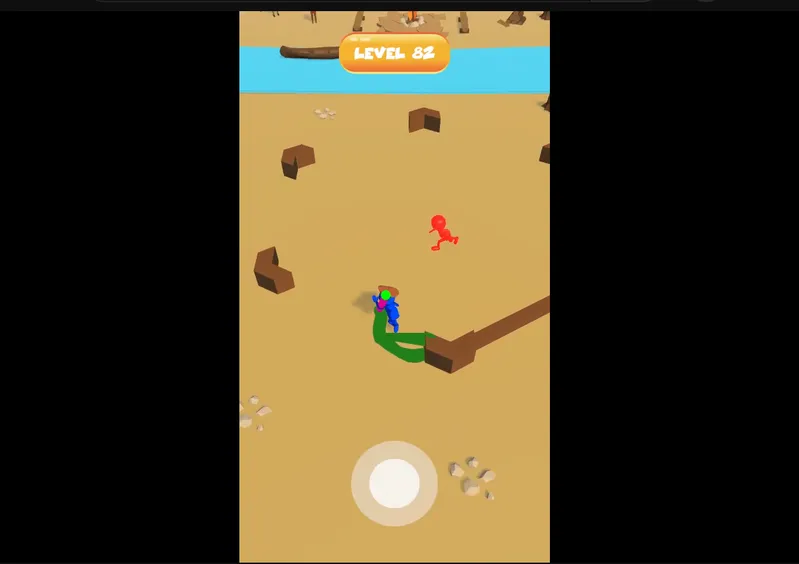
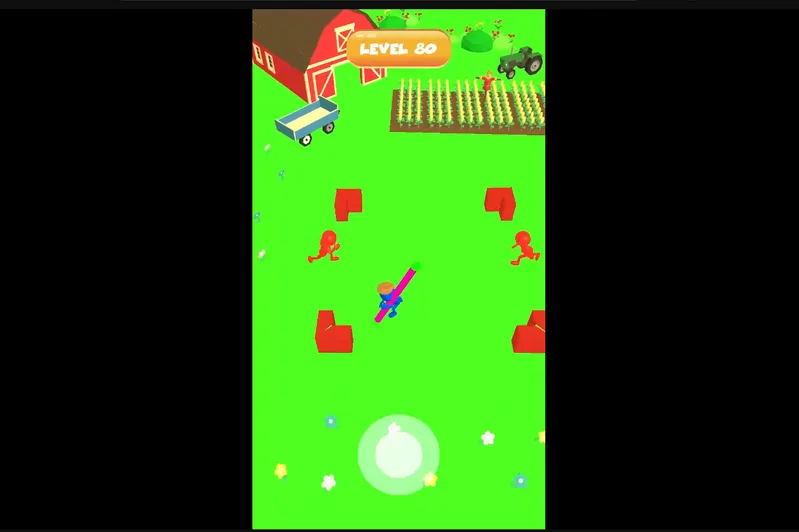
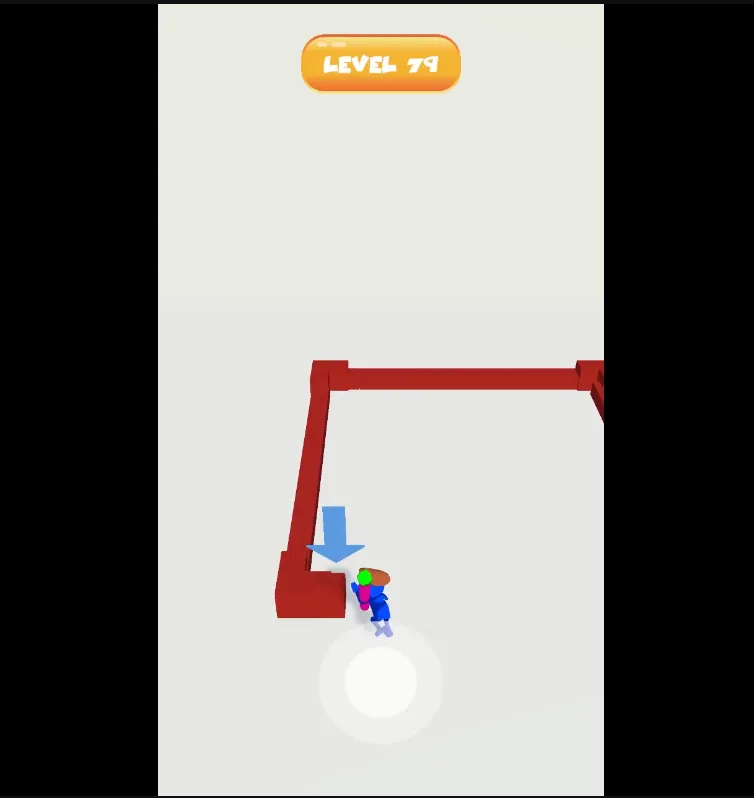
You play a tiny pencil on a giant desk. Run along a dotted outline to draw the shape while staplers, scissors, erasers and glue bottles chase you around the page.
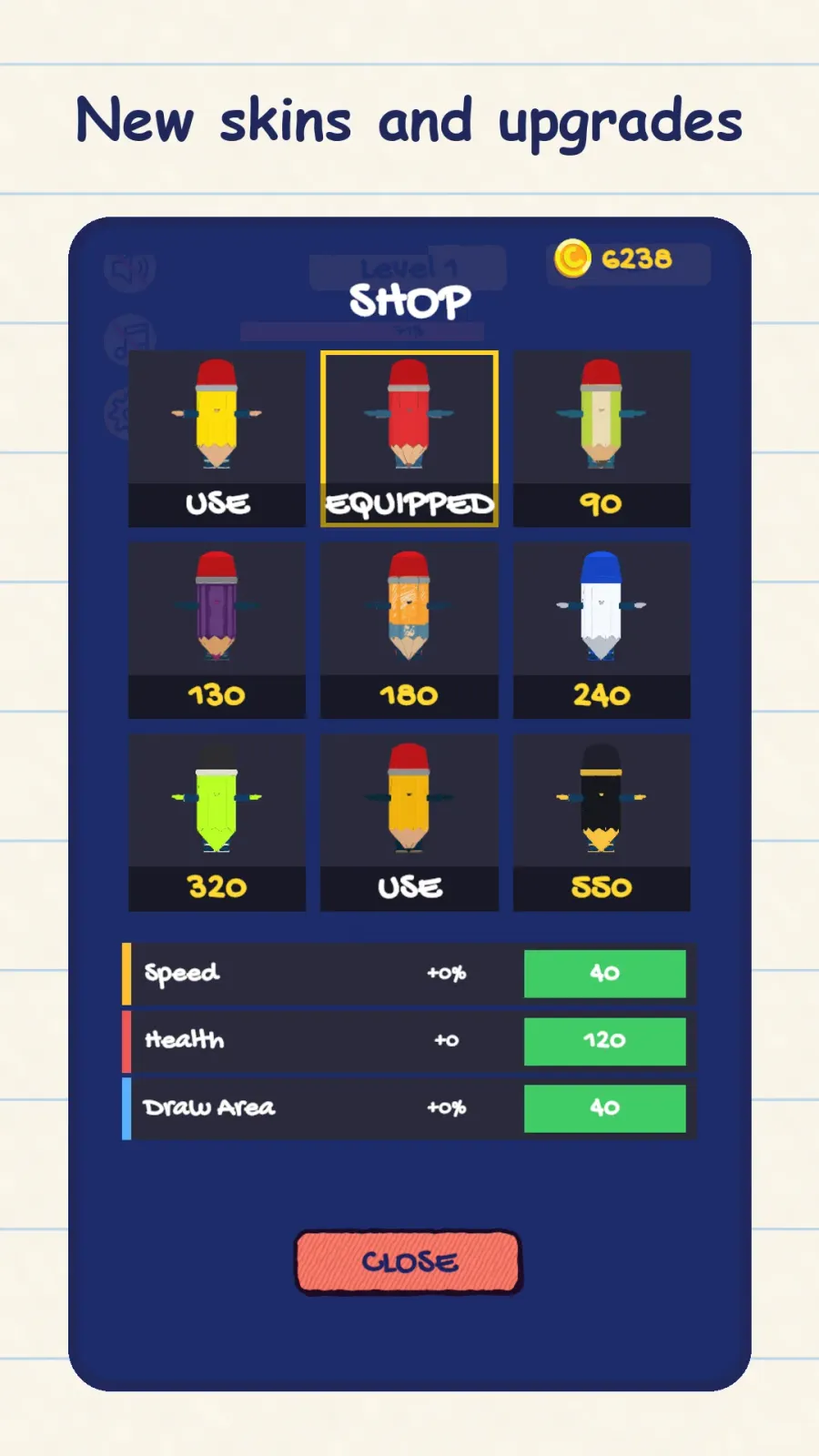
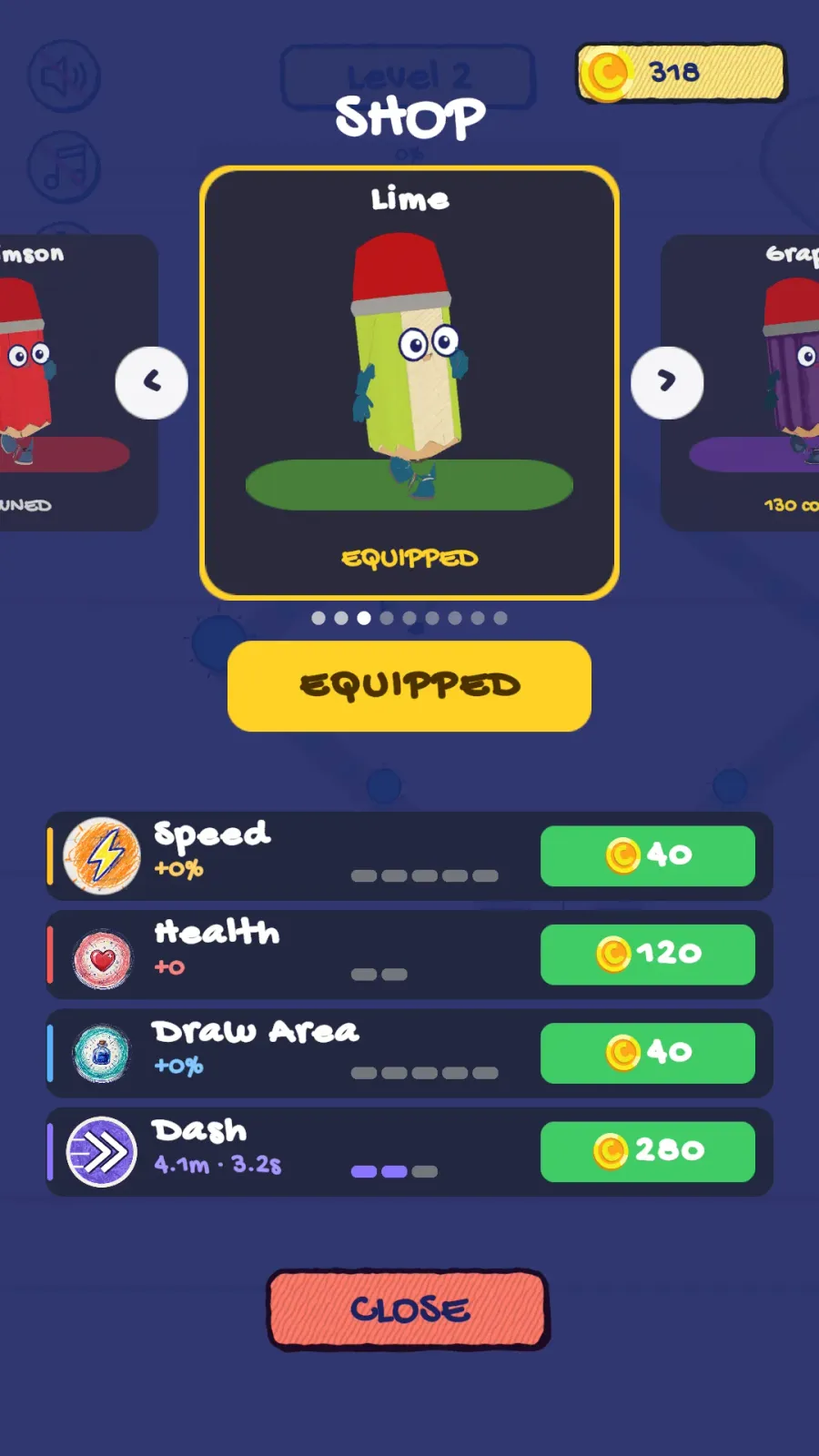
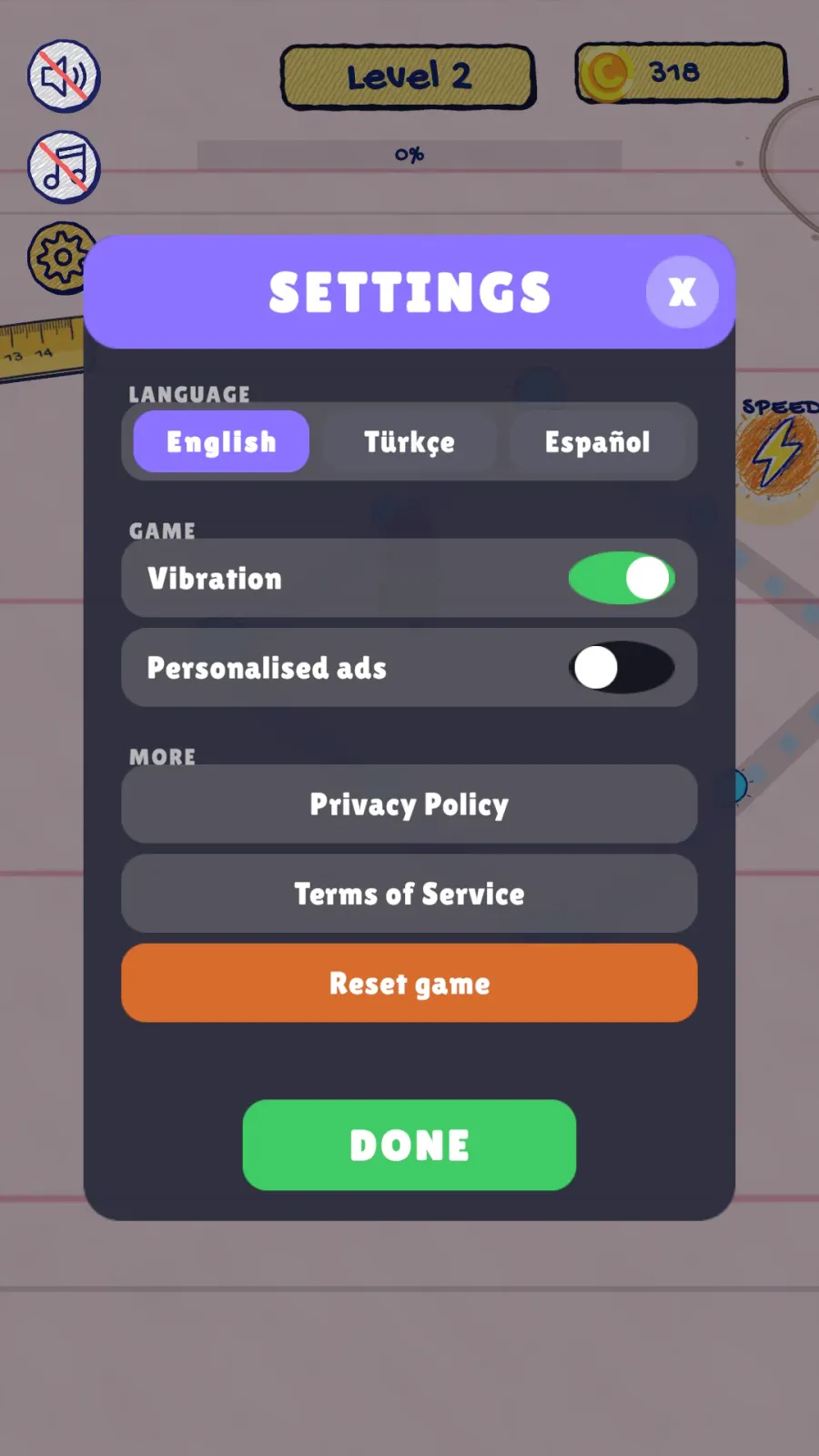
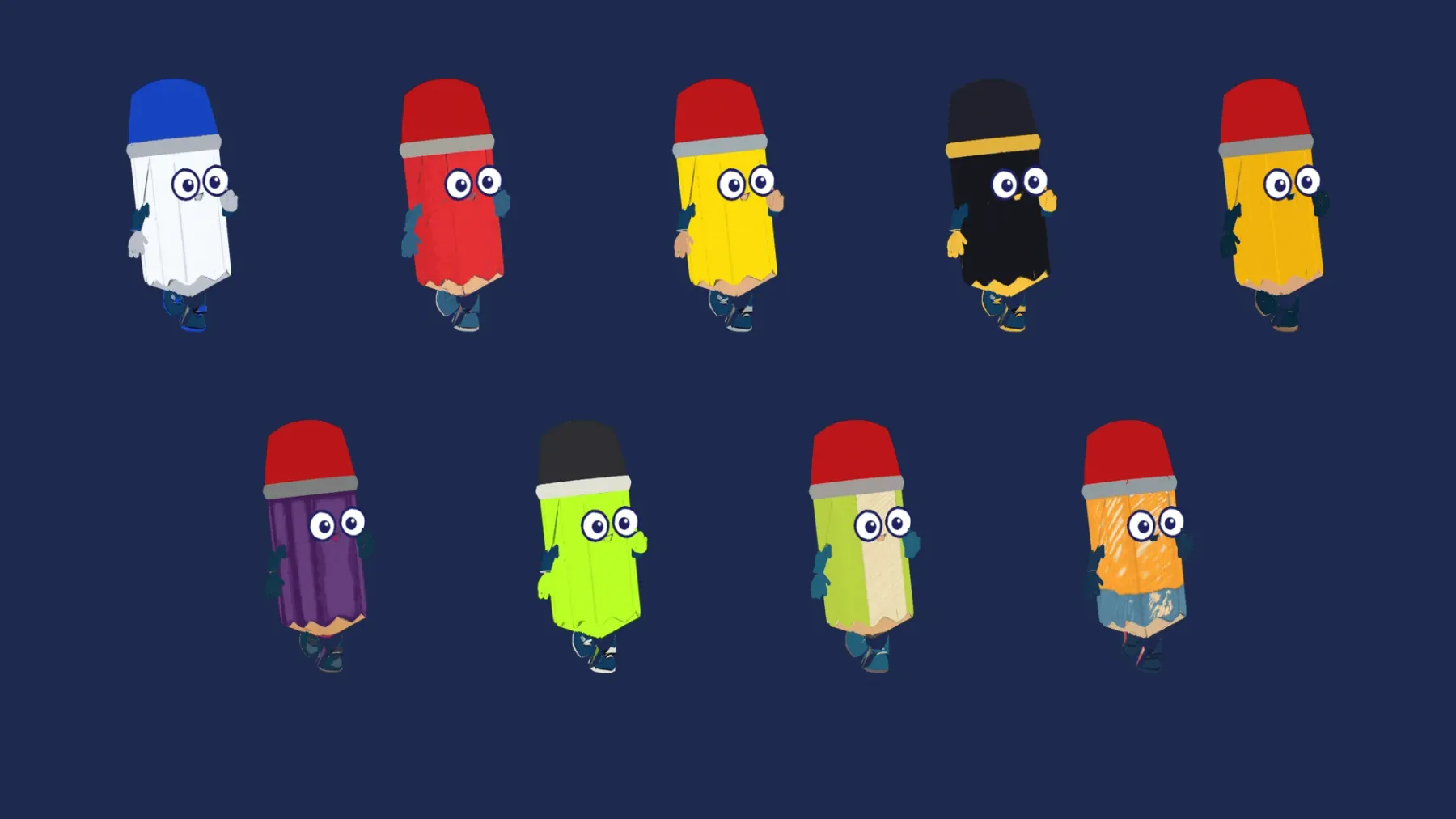
Draw Rush started in 2022 as a two-week hyper-casual prototype at 208 Studios. In 2026 I took it over and rebuilt it as a full game under Ekimoz Games. It’s live on Google Play (v1.6.0) and in App Store review, with 55 levels, 9 pencil skins, a shop with upgrades and a Dash skill, in English, Turkish and Spanish.
Engineering highlights
- Drawing system. Drawing works edge by edge with closed-loop checks, and an edge completes itself at 99%. An autoplay bot in the editor plays every level end to end to prove each one can be beaten.
- Level structure. All levels live in one scene, with a level manager that resets state between them. A fixed level order and a difficulty curve bring in enemies and traps one at a time.
- Architecture. No singletons: ScriptableObject configs, a small service registry, feature folders and assembly definitions. 124 EditMode tests guard the save data and progression.
- Smaller download. Build-size work took the AAB from 77 MB to 55 MB and the arm64 download from 52.6 MB to 38.4 MB, without losing a single supported device on Play.
- Languages. A light localization layer with TextMeshPro fallback fonts, so Turkish and Spanish characters render in every UI font.
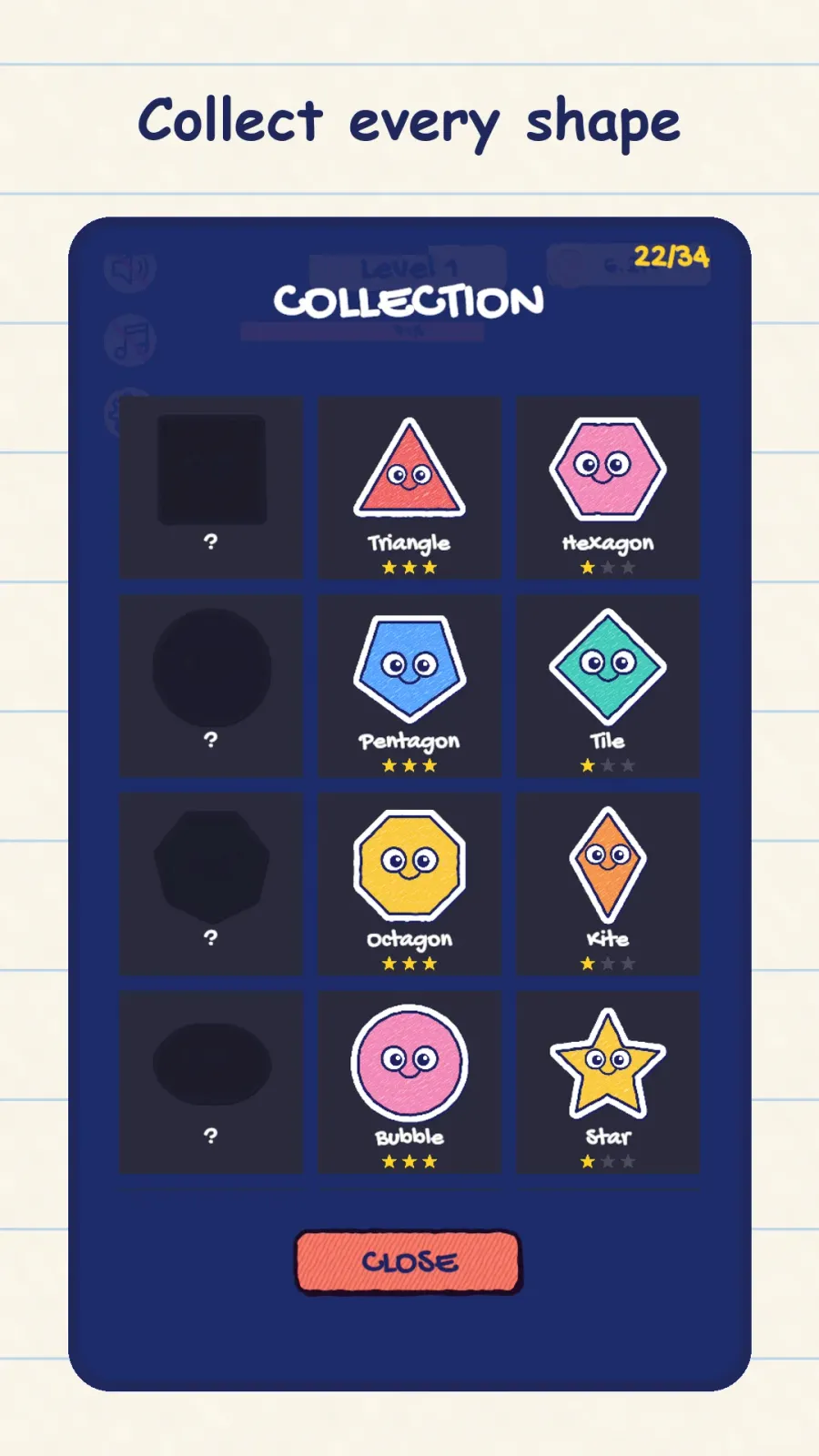
- Economy and progression. 3-star scoring tied to coin rewards. The skin shop works like a showroom: skins unlock in order, and a badge counts the upgrades you can afford.
- Monetization. Rewarded and interstitial ads through LevelPlay, with a consent flow and its own privacy and terms pages.
Process notes
- Hand-drawn notebook art style. The desk props were made as 3D models with Meshy AI and cut down to about 1.2k triangles each.
- Releases go up through the Google Play Developer API with a service-account upload script, not by hand in the Console.
- The splash animation is drawn in code: the pencil sketches the logo stroke, then the letters pop in.
- I built it with an AI-assisted workflow (Claude Code driving the Unity Editor over MCP) and checked every gameplay change on a device myself.